

Boston vs. Cobbler vs. French Shakers: The Ultimate Cocktail Shaker Comparison Guide
Boston vs. Cobbler vs. French Shakers: The Ultimate Cocktail Shaker Comparison Guide
By Anuj Sheth, The Bar Warehouse LLC
In the world of mixology, the cocktail shaker stands as an essential tool for crafting delightful beverages. This guide delves into the distinctive characteristics of three prominent cocktail shaker types: the Boston shaker, the Cobbler shaker, and the French shaker. Each type has unique properties, historical significance, and design aspects that influence their use in professional bars and home settings alike. Understanding these shakers is crucial for anyone looking to enhance their cocktail-making skills, whether for personal enjoyment or professional accomplishment. Throughout this article, we will explore the historical background, material designs, functional advantages, and provide a comparison of these shakers, ultimately guiding you towards selecting the perfect cocktail shaker for your needs.
What Defines the Distinctive Types of Cocktail Shakers: Boston, Cobbler, and French?
Cocktail shakers are vital in the mixology process as they blend, chill, and aerate drinks, elevating the cocktail experience. The three primary types of cocktail shakers—Boston, Cobbler, and French—each have unique designs and functionality. The Boston shaker consists of two metal tins, preferred by many bartenders for its simplicity and versatility. The Cobbler shaker, equipped with a built-in strainer and cap, is popular among casual drinkers for its ease of use. On the other hand, the French shaker combines elements of both, featuring an elegant design that appeals to aesthetically inclined mixologists. Understanding these differences can help you choose the right shaker based on your style and requirements.
What Is the Historical and Artisanal Heritage of Each Shaker Type?
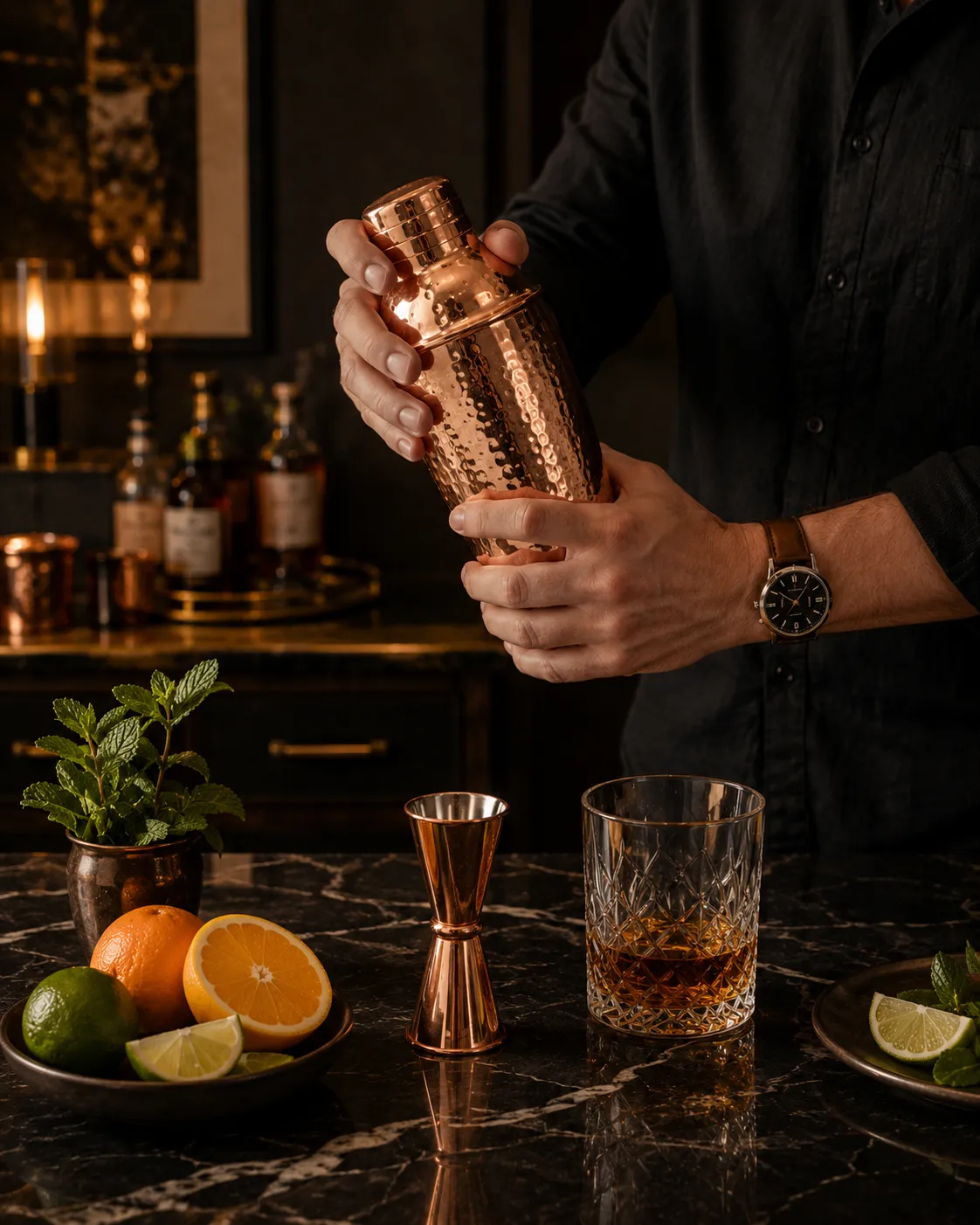
Each cocktail shaker type has a rich history that reflects the evolution of mixology. The Boston shaker, originating in the mid-19th century in America, symbolizes the rise of bartending as a respected profession. It allows bartenders to showcase their skills through theatrical mixing techniques. The Cobbler shaker emerged in the 1930s and quickly gained popularity due to its user-friendly design, making it suitable for home mixologists. Meanwhile, the French shaker, favored by modern mixologists, combines elegance with practicality. Its design reflects a fusion of form and function, highlighting the artisanal craftsmanship involved in cocktail preparation. This diverse heritage contributes to the cultural significance of cocktail shakers in social gatherings.
Which Materials and Designs Characterize These Premium Cocktail Shakers?
The materials used in cocktail shakers significantly affect their performance and aesthetic appeal. Boston shakers are typically made from stainless steel, which ensures durability and provides superior temperature retention during shaking. The Cobbler shaker often combines stainless steel with other materials, such as glass, to enhance visual appeal while retaining functionality. French shakers are usually crafted from premium metals, such as copper or high-grade stainless steel, valued for their elegance and excellent heat conduction properties. The design of these shakers not only serves a practical purpose but also contributes to style, making each shaker a unique addition to any barware collection.
How Do Boston, Cobbler, and French Shakers Compare: Pros, Cons, and Signature Uses?

When considering which cocktail shaker to select, it's essential to evaluate their functionality. Below is a comparison of the three types of shakers, highlighting their advantages and limitations, as well as signature uses.
| Shaker Type | Pros | Cons | Best For |
|---|---|---|---|
| Boston Shaker | - Quick mixing- Flexible for larger quantities- Lighter weight | - Requires a separate strainer | Professional bartenders and large batches |
| Cobbler Shaker | - Built-in strainer- Convenient for casual users- Easy to use | - Can retain heat | Home mixologists and casual drinkers |
| French Shaker | - Elegant appearance- Seals tightly- Good for smaller quantities | - Slightly more complex to use | Aesthetic-oriented mixologists and craft cocktails |
This table illustrates how each shaker type balances usability and aesthetic appeal, making the right choice dependent on personal preference and intended use.
What Are the Functional Advantages and Limitations of Each Shaker Type?
Understanding the functional advantages and limitations of each shaker can clarify the optimal choice for different applications. For instance, the Boston shaker is highly regarded for its performance in professional environments. It allows bartenders to create drinks quickly and efficiently, though it requires an additional strainer, which some may find cumbersome. The Cobbler shaker excels in convenience, as it combines components into one unit, making it accessible for home users. However, it may not cool drinks as quickly due to its design limitations. Lastly, the French shaker is a symbol of style, allowing for chic presentations, although its complexity may deter novice users.
Recognizing the intense pace of a bustling establishment helps explain why choosing the right hardware is vital for high-volume service.
The Demands of Mixology: Bar Efficiency and Cocktail Shakers
Mixing drinks takes specialized attention, energy, and time and can be a stressful task for bartenders to perform when a restaurant is packed with customers. Group G: Drink Mixer II, 2017
Which Cocktail Preparations and Mixology Techniques Favor Each Shaker?
The choice of shaker type often affects the cocktail preparation process. The Boston shaker is favored for shaking classic cocktails like the Martini and the Daiquiri, where quick mixing is essential. The Cobbler shaker is perfect for mixed drinks that require a less vigorous shake and are often used for lighter cocktails like the Mojito. The French shaker, due to its aesthetic appeal, is often used for upscale events and parties where presentation is key, favoring cocktails like the French 75 or Champagne-based mixtures. Each shaker has its strengths, which align with different mixology techniques and styles.
Which Premium Materials Best Complement Boston, Cobbler, and French Cocktail Shakers?
Choosing the right material is crucial for both performance and design appeal when selecting a cocktail shaker. Higher quality materials not only influence functionality but also enhance the overall bar experience.
Why Is Copper Ascendant Amongst Luxury Barware Materials from 2024 to 2026?
Copper has surged in popularity within the barware domain due to its unique aesthetic and excellent thermal conductivity. It is visually striking and serves practical purposes such as maintaining drink temperature. Copper shakers are particularly favored for cocktails like the Moscow Mule, where the material's cooling properties enhance the drink's enjoyment. Additionally, copper's classic look elevates any home bar setup, making it a top choice among discerning buyers who often explore options like copper barware for a luxurious aesthetic.
What Are the Care and Maintenance Protocols for Superior Barware Materials?
Proper maintenance is essential to uphold the quality of premium barware. For stainless steel shakers, hand washing with mild soap and avoiding abrasive materials keeps them pristine. Copper shakers require special attention; they should be cleaned promptly after use to avoid tarnishing, and a mixture of vinegar and salt can be used for polishing. Proper care ensures longevity and maintains the visual appeal of these elegant barware items, making it essential for any cocktail enthusiast.
How Should Affluent Buyers Select the Ideal Cocktail Shaker for Their Sophisticated Home Bar?
When selecting a cocktail shaker, affluent buyers should consider several criteria to ensure they choose the best fit for their home bar.
What Criteria Define the Optimal Shaker Choice for Discerning Patrons?
Several essential factors should guide buyers in selecting their ideal cocktail shaker. Firstly, durability is paramount, as high-quality materials will withstand frequent use. Next, the shaker's capacity is important—some may prefer larger shakers for serving multiple guests, while others may opt for compact shakers for limited counter space. Finally, aesthetics matter, as a beautifully designed shaker can enhance the overall bar experience.
How Do Craftsmanship and Brand Reputation Influence Purchasing Decisions?
The reputation of a brand often plays a significant role in purchasing decisions for premium cocktail shakers. Well-established brands known for their craftsmanship and quality assurance can provide buyers with confidence in their purchases. Taking the time to research brands and their offerings can lead to a more informed decision, ensuring the selected product meets both functional and aesthetic expectations.
What Are the Latest Trends and Innovations in Cocktail Shaker Design and Usage?
The cocktail shaker industry is not static; it evolves to meet the changing preferences of consumers and mixologists alike.
How Are Sustainability and Material Innovation Shaping Modern Shaker Crafting?
Sustainability has become a significant focus in modern barware production, with brands increasingly opting for eco-friendly materials and manufacturing processes. Innovations in material science have led to the development of shakers using recycled metals and biodegradable alternatives to plastic. This shift caters to environmentally conscious consumers who prioritize sustainable practices in their purchases.
Which Emerging Mixology Practices Influence Shaker Selection and Functionality?
As new mixology techniques emerge, the choice of shaker can significantly impact the process. For instance, the rise of craft cocktails emphasizes the importance of manual shaking versus mechanical blending, advocating for traditional shaker styles that allow for better control over mixing. This trend pushes designers to create shakers that pay homage to classic techniques while incorporating modern functionality, reflecting the changing landscape of the cocktail industry.
Where Can One Acquire Exquisite Cocktail Shakers, Complementary Barware, and Curated Home Bar Furnishings?
Finding the right cocktail shaker and associated barware can enhance both the functionality and aesthetic of your home bar.
Which Barware Collections Embody Artisan Excellence and Match Various Shaker Types?
For discerning buyers, collections that feature artisan craftsmanship, such as those from The Bar Warehouse, offer a range of high-quality cocktail shakers and barware. From elegant copper shakers to stylish glassware, these collections ensure that your bar setup is both functional and visually appealing. Each piece reflects unique design sensibilities and exceptional quality, making them perfect for anyone serious about home mixology.
How Do Distinguished Accessories and Furniture Elevate the Home Mixology Experience?
Accessories such as quality jiggers, strainers, and unique glassware play a substantial role in enhancing the home mixology experience. Investing in well-crafted accessories can streamline cocktail preparation and improve the overall presentation of drinks. Additionally, selecting coordinated bar furniture contributes to an inviting atmosphere that not only elevates the cocktail crafting experience but also impresses guests during gatherings. As such, thoughtful curation of both barware and environment becomes essential for any aspiring mixologist.
